

Who We Are
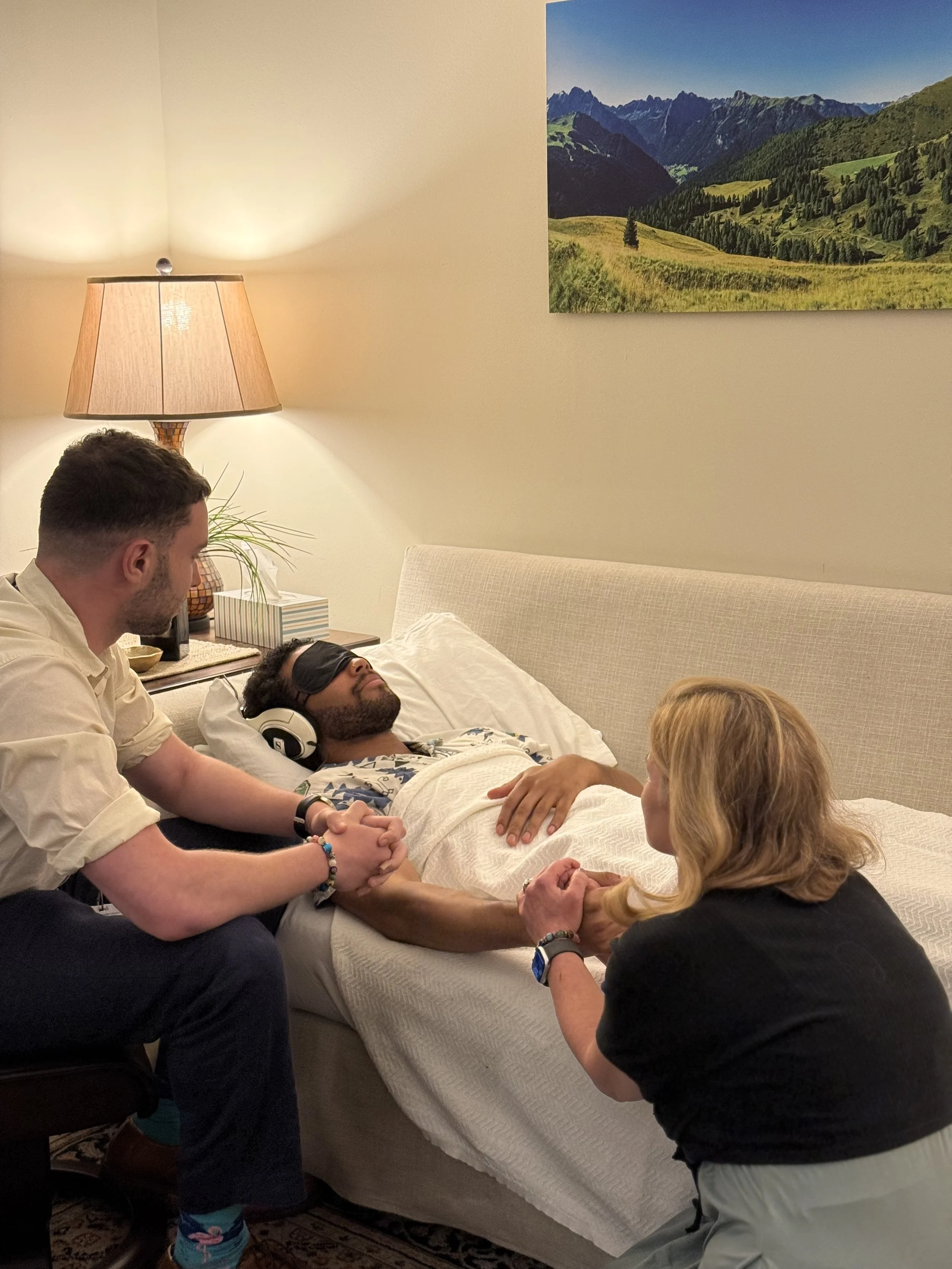
The Center for Psychedelic and Consciousness Research at Johns Hopkins works to advance the scientific understanding of psychedelics and their potential for treating mental health disorders, enhancing well-being, and expanding our understanding of consciousness.
Scientists today are entering a new era of studying a truly unique class of pharmacological compounds known as psychedelics. Although research with these compounds was first started in the 1950s and ‘60s, it abruptly ended in the early 1970s in response to unfavorable media coverage, resulting in misperceptions of risk and highly restrictive regulations.
After a decades-long hiatus, the Center’s Founding Director, Dr. Roland Griffiths, initiated the first study in 1999 at Johns Hopkins to rigorously evaluate the effects of a high dose of a classic psychedelic drug in healthy psychedelic-naïve participants. The Center’s 2006 publication, Psilocybin can occasion mystical-type experiences having substantial and sustained personal meaning and spiritual significance, on the safety and enduring positive effects of a single dose of psilocybin is widely considered the landmark study that sparked a renewal of psychedelic research world-wide.
Since that time, The Center for Psychedelic and Consciousness Research has published further groundbreaking research in more than 150 peer-reviewed articles in respected scientific journals. We have also continued a robust program of postdoctoral scientific training, and we are augmenting our educational program with clinical didactics and public education. In parallel, we are making inroads with preclinical translational and human mechanistic studies. Together, this makes Johns Hopkins the most comprehensive psychedelic research institution in the U.S., and among the few leading groups worldwide.
Our research is investigating therapeutic effects in people who suffer a range of psychiatric, neurological, and other conditions including substance use disorder (smoking, alcohol, other misused drugs), existential distress caused by life-threatening disease, major depressive disorder, anorexia nervosa, Post-Treatment Lyme Disease, depression associated with Alzheimer's Disease, Obsessive-Compulsive Disorder, chronic pain, PTSD, and more. Studying healthy volunteers has also advanced our understanding of the enduring positive effects of psilocybin and provided unique insight into neurophysiological mechanisms of action, with implications for understanding consciousness and optimizing therapeutic and non-therapeutic enduring positive effects.
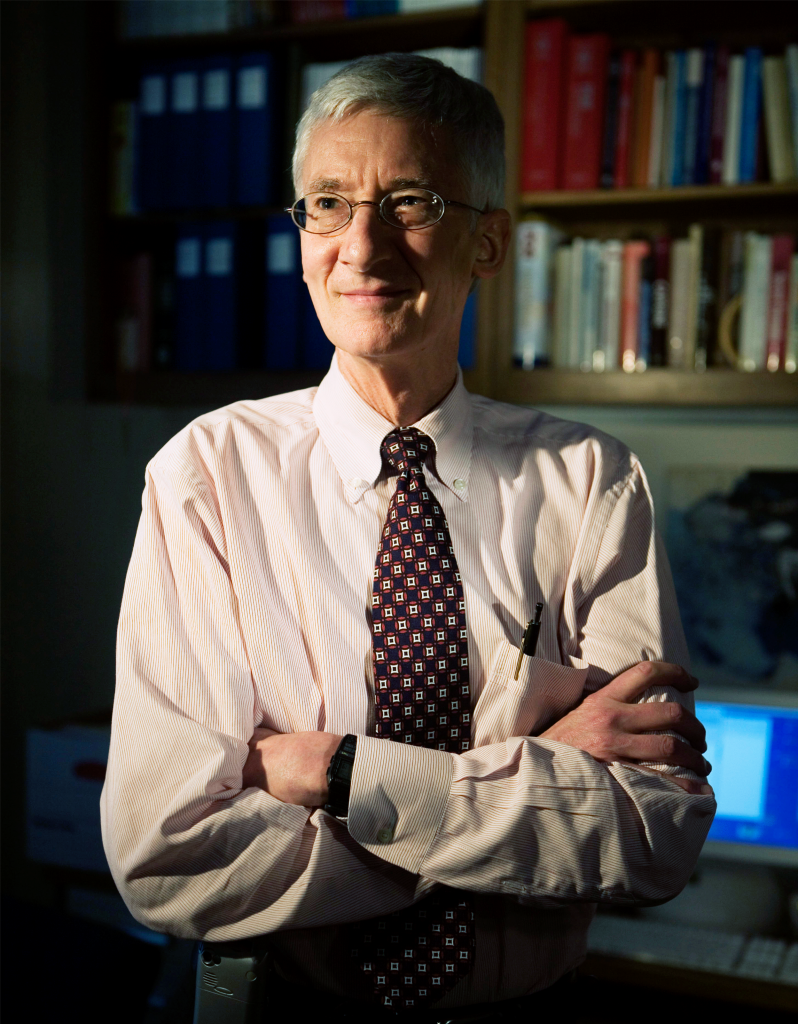
Research Faculty

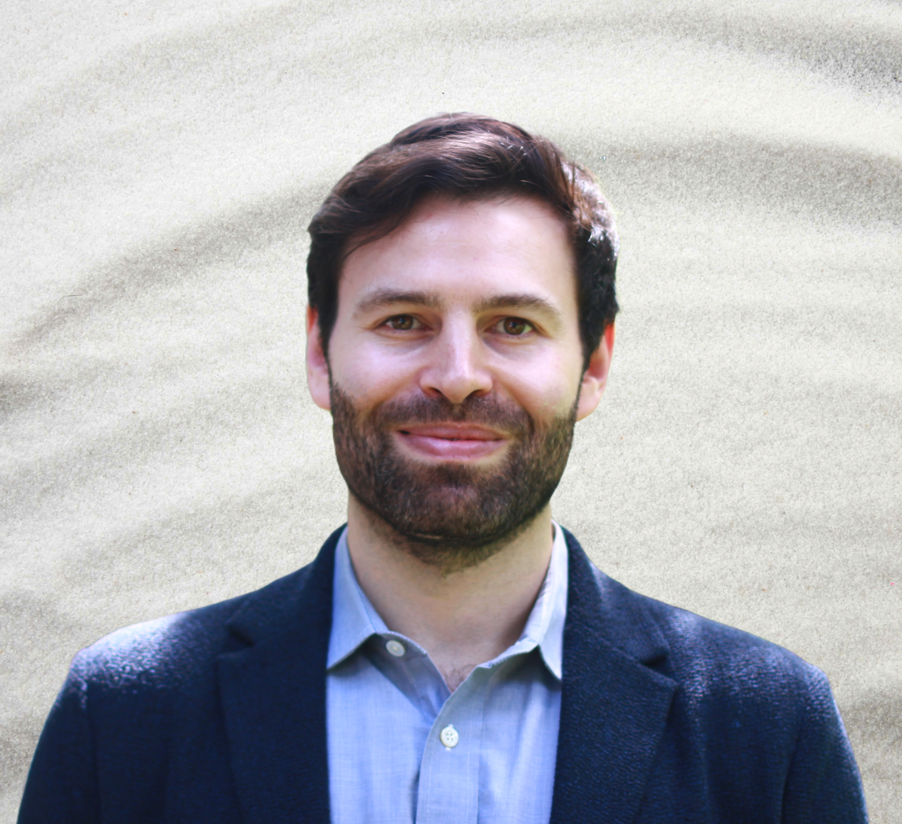
David Yaden, PhD
Associate Professor
Brandon Weiss, PhD
Assistant Professor


Ceyda Sayalı, PhD
Assistant Professor
Praachi Tiwari, PhD
Instructor
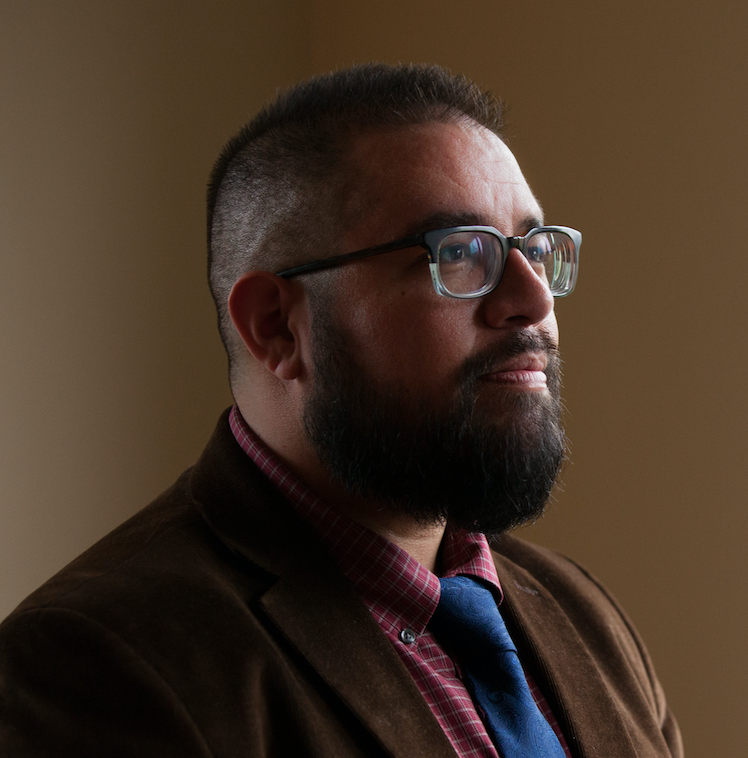
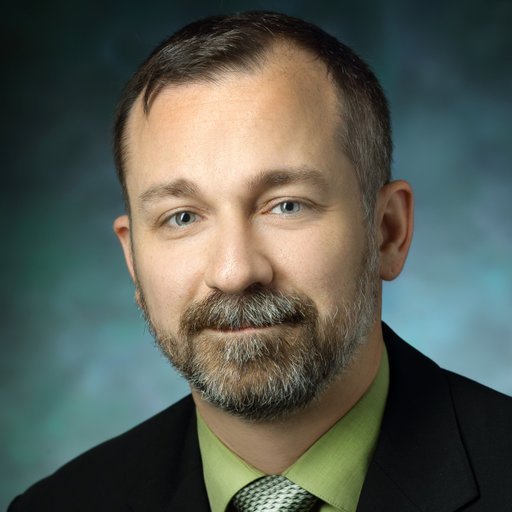
Albert Garcia-Romeu, PhD
Associate Professor
Associate Center Director
Frederick Barrett, PhD
Professor
Center Director

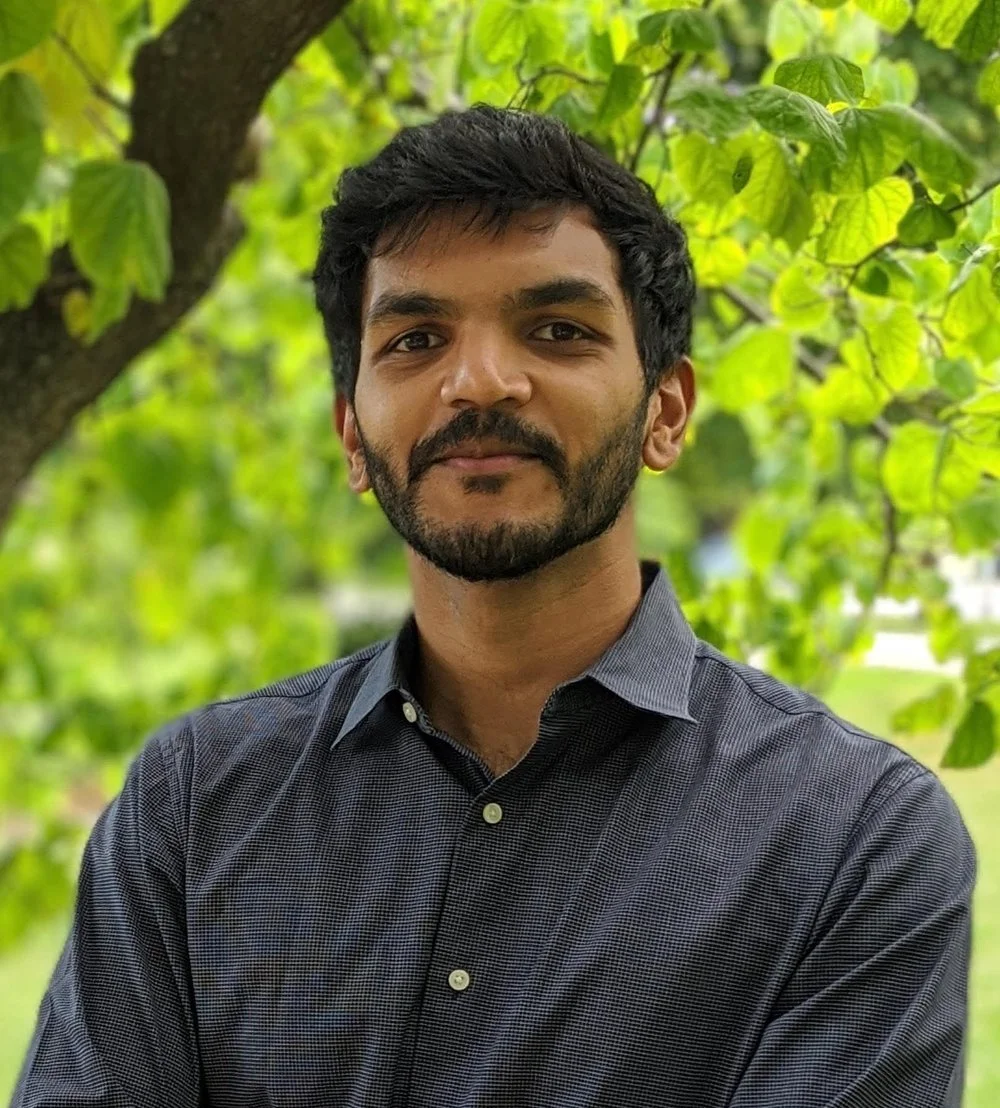
Bit Yaden, MD
Assistant Professor
Clinical Director
Sandeep Nayak, MD
Assistant Professor
Center Medical Director
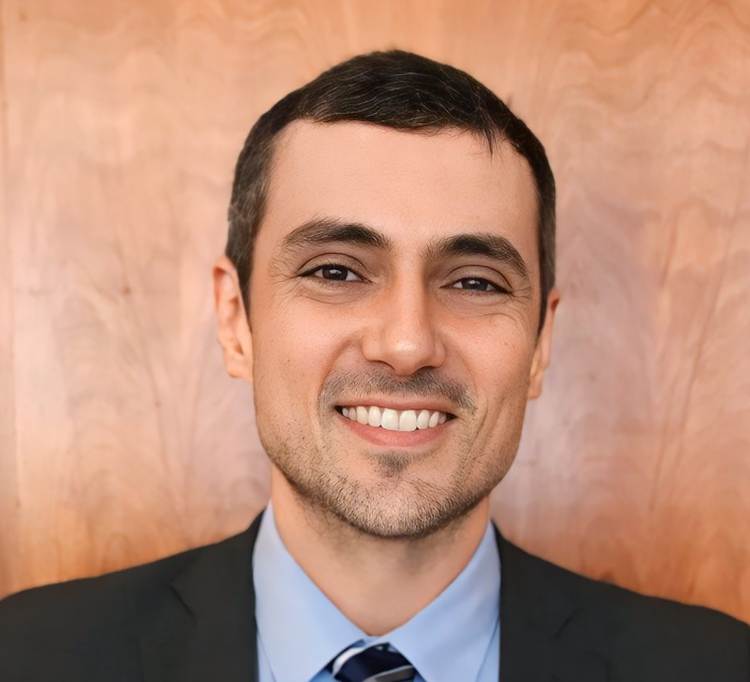
Gideon Naudé, PhD
Research Associate